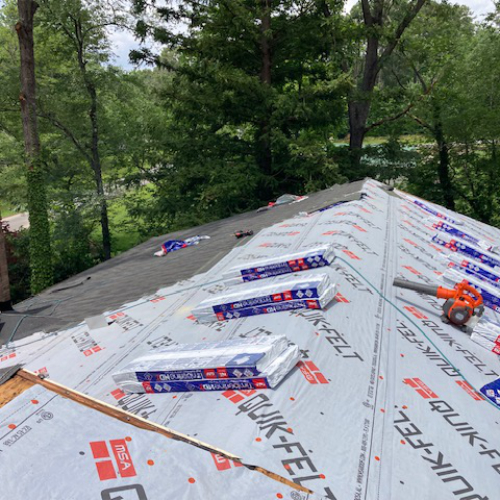
It’s a common assumption: you invest in a “25-year roof,” expecting that it will protect your home for at least two and a half decades. However, many homeowners are surprised when their roofs start showing signs of wear well before this time. So, why doesn’t a 25-year roof always last 25 years? The truth is that several factors—from climate and installation quality to maintenance and material choice—play a big role in determining how long a roof truly lasts. Let's look at some of the main reasons roofs don’t always meet their projected lifespan.
1. Weather and Climate Conditions
One of the most significant factors that impact the longevity of your roof is the climate it’s exposed to. In areas with extreme weather conditions, such as frequent storms, intense heat, or heavy snowfall, roofs endure much more wear and tear than in mild climates. For instance:
- UV Radiation: The sun’s ultraviolet (UV) rays are incredibly damaging to roofing materials, especially asphalt shingles. Constant exposure can cause shingles to dry out, crack, and lose their flexibility, reducing their lifespan significantly.
- Heavy Rain and Humidity: Constant exposure to moisture can cause roofing materials to deteriorate faster. In humid climates, roofs are also more susceptible to mold, mildew, and algae growth, which can lead to decay and rot over time.
- Wind and Storms: Strong winds can loosen or tear shingles, and hailstorms can dent, crack, or puncture roofing materials. This damage can compromise your roof’s integrity, leading to leaks and other issues.
In areas prone to these extreme conditions, a 25-year roof may realistically last much closer to 15-20 years without additional care.
2. Quality of Roofing Materials
Not all “25-year” roofs are created equal. The lifespan of a roof depends heavily on the quality of the materials used. Some asphalt shingles are manufactured with higher-grade materials, while others use fillers and lower-quality components that reduce durability.
- Manufacturer Differences: Different brands have varying manufacturing processes, meaning that one company’s 25-year shingle may be more durable than another’s. Opting for a reputable, high-quality manufacturer can help ensure a longer-lasting roof.
- Underlayment and Accessories: Quality doesn’t stop at the shingles. The underlayment, flashing, and ventilation components also impact longevity. If cheaper or lower-quality underlayment is used, it can lead to issues like water infiltration, which may affect the shingles’ lifespan.
3. Poor Installation Practices
Even the best-quality roofing materials won’t last if they aren’t installed correctly. Poor installation is one of the most common reasons that roofs fail prematurely. When roofers cut corners or lack proper training, it can lead to several issues that shorten the roof’s life.
- Incorrect Nailing and Sealing: Shingles must be nailed in specific locations and at specific depths to ensure they’re securely attached. Improper nailing can lead to loose shingles, leaks, or even shingles flying off during strong winds.
- Inadequate Ventilation: Proper attic ventilation is essential for the health of your roof. Without it, heat and moisture can build up in the attic, causing shingles to overheat and deteriorate prematurely. This can also lead to issues like mold and mildew growth, which further degrade the roof.
- Improper Flashing: Flashing seals the joints and edges of your roof, especially around chimneys, skylights, and vents. If flashing isn’t installed properly, water can seep in, leading to rot, mold, and early roof failure.
4. Lack of Regular Maintenance
Roofs need regular maintenance to maximize their lifespan. Over time, small issues can develop, and if left unaddressed, they can escalate and reduce the life of your roof significantly. Here’s what a good maintenance routine should include:
- Regular Inspections: Having a professional inspect your roof at least once a year can help catch issues early. This is particularly important after severe weather events, as small problems like loose shingles or minor leaks can often go unnoticed.
- Cleaning Debris: Leaves, branches, and other debris can accumulate on your roof, particularly in valleys and gutters. Over time, this can trap moisture against the shingles, promoting decay. Cleaning your roof and gutters regularly can prevent this buildup.
- Addressing Minor Repairs Promptly: Fixing small issues like missing shingles, cracked flashing, or clogged gutters can prevent more significant problems and help your roof last closer to its intended lifespan.
5. Roof Mislabeling or Misunderstanding
The “25-year” designation can be misleading. Some roofing materials are labeled for their “expected life,” but this doesn’t mean they’re guaranteed to last that long. Instead, it’s more of an estimate under ideal conditions. Furthermore, some manufacturers use the 25-year label as a marketing term, which is sometimes based on limited warranty coverage rather than real-life performance.
Extending the Life of Your Roof
While some factors, like climate, are beyond our control, there are steps you can take to help your 25-year roof reach or even exceed its expected lifespan:
- Choose Quality Materials: Investing in high-quality shingles, underlayment, and accessories from reputable manufacturers can increase your roof’s resilience.
- Hire a Skilled Contractor: Proper installation is key. Choose a licensed and experienced roofer who can install your roof correctly and according to manufacturer guidelines.
- Prioritize Regular Maintenance: Stay proactive by scheduling regular inspections and addressing issues as they arise.
In short, while a 25-year roof may not always last 25 years, taking preventive steps and choosing quality materials can make a difference. By being mindful of these factors, you can help ensure your roof lasts as long as possible.