
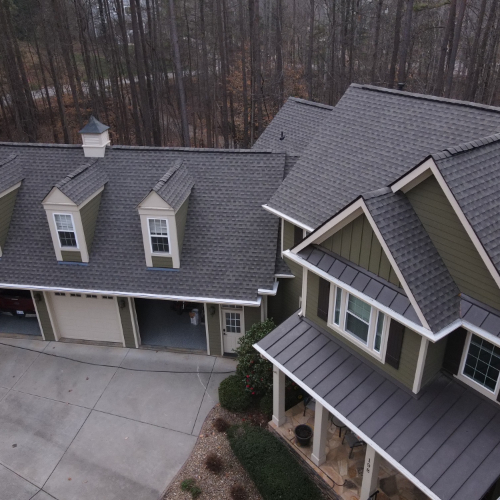
When designing or choosing a roof for your home in North Carolina, selecting the right pitch is crucial. The pitch—or slope—of a roof is not just an aesthetic feature; it significantly impacts how well your roof handles weather conditions such as rain, wind, snow, and heat. North Carolina's diverse climate, which includes humid summers, occasional snowfalls, and hurricane-prone regions, requires a roof pitch that balances strength, durability, and functionality.
Here’s a deep dive into which roof pitch is strongest for North Carolina homes and why it matters.
Roof pitch is expressed as a ratio that measures vertical rise over horizontal run. For example, a 6:12 pitch means the roof rises 6 inches for every 12 inches of horizontal distance. Low-pitched roofs (below 4:12) are relatively flat, while steep-pitched roofs (above 8:12) have a sharper slope.
The right pitch for North Carolina homes must address key climatic challenges, including heavy rains, high winds, and occasional snow or ice accumulation.
For homes in North Carolina, a roof pitch between 4:12 and 8:12 is often considered the strongest and most practical. Let’s explore why this range works so well for the state’s climate:
North Carolina experiences significant rainfall, especially in coastal and central areas. A roof with a pitch of at least 4:12 provides enough slope for rainwater to run off efficiently. Steeper pitches (6:12 and higher) are even better at shedding water, reducing the risk of leaks, standing water, and moisture damage.
Low-pitched roofs may struggle with water drainage, leading to pooling, which can accelerate wear on roofing materials and lead to leaks.
North Carolina’s coastal and eastern regions are vulnerable to hurricanes and high winds. A roof pitch in the 4:12 to 6:12 range is ideal for wind resistance.
Steep roofs (greater than 8:12) can create more lift during strong winds, increasing the risk of damage or detachment. Conversely, very low-pitched or flat roofs can act like a sail, making them more prone to wind uplift. A moderate pitch strikes the right balance by allowing wind to flow over the roof without creating excessive pressure points.
While North Carolina doesn’t see heavy snowfalls, the occasional winter storm can bring snow and ice accumulation, especially in the western and mountain regions. A roof pitch of 6:12 or steeper allows snow to slide off more easily, preventing ice dams and excess weight from building up.
Flat or low-pitched roofs, on the other hand, may trap snow and ice, leading to potential structural stress or water infiltration when the ice melts.
Roof pitch also affects a home’s energy efficiency. In North Carolina’s hot and humid summers, steeper pitches (such as 7:12 or 8:12) can improve attic ventilation and reduce heat buildup. Proper ventilation and insulation are critical in this climate to keep cooling costs manageable.
Moderate to steep roofs can also accommodate energy-efficient features like reflective shingles or solar panels, further enhancing their performance in the state’s varied climate zones.
While pitch plays a critical role, other factors should be considered when designing or upgrading your roof:
A 6:12 pitch is often regarded as the "sweet spot" for homes in North Carolina. It provides an excellent balance of water drainage, wind resistance, and energy efficiency while accommodating a variety of roofing materials.
This pitch is also aesthetically versatile, blending seamlessly with most architectural styles, from traditional Southern homes to modern builds.
Choosing the right roof pitch is one of the most important decisions for North Carolina homeowners. A pitch between 4:12 and 8:12, with 6:12 being particularly optimal, offers strength and durability against the state’s varied weather challenges.
By selecting a well-suited pitch and combining it with high-quality materials and proper installation, you can ensure that your roof stands the test of time, providing safety and comfort for years to come.