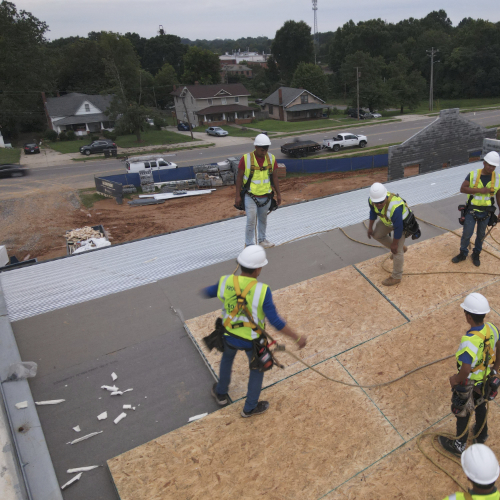
Understanding the Sealing Process: How Long Does it Take for a New Roof to Seal?
When investing in a new roof, homeowners are often eager to know how quickly their investment will be protected from the elements. The process of a new roof sealing involves various factors, and understanding these elements is crucial for managing expectations. The duration for a roof to fully seal depends on the type of roofing material, weather conditions, and the installation process.
Factors Influencing the Sealing Time:
- Type of Roofing Material: Different roofing materials have distinct properties that affect the sealing time. Asphalt shingles, a popular choice, typically seal relatively quickly. They consist of adhesive strips that activate with the sun's heat, helping the shingles bond to each other. Metal roofs, on the other hand, may take longer as they rely on the expansion and contraction of the metal to achieve a tight seal.
- Weather Conditions: Weather plays a significant role in the sealing process. Warm, sunny weather accelerates the sealing of asphalt shingles, as the heat activates the adhesive strips. However, extremely hot temperatures can also pose challenges, such as the potential for the adhesive to become too soft and hinder proper bonding. In colder climates, sealing may take more time, as the adhesive needs sufficient warmth to activate.
- Installation Quality: The expertise of the roofing contractor and the quality of installation are crucial factors. Properly installed roofing materials are more likely to seal efficiently. If there are installation errors or if the roofing materials are not aligned correctly, it may take longer for the roof to seal, and there could be issues with water tightness.
- Ventilation and Attic Conditions: Adequate ventilation is essential for the sealing process. Proper airflow helps in expelling excess heat and moisture, contributing to the efficient sealing of the roof. Additionally, the condition of the attic can impact the sealing time. A well-ventilated attic prevents the accumulation of heat, ensuring that the roofing materials seal uniformly.
Sealing Timeline:
- Immediate Sealing: In the case of asphalt shingles, initial sealing starts almost immediately after installation. The heat from the sun activates the adhesive strips, initiating the bonding process. However, this is just the beginning, and the full sealing process may take several days to weeks.
- Days to Weeks: The majority of roofing materials, including asphalt shingles, reach optimal sealing within the first few days to weeks after installation. During this time, the adhesive continues to bond, providing a secure and weather-resistant barrier for the home.
- Metal Roofs and Longer Sealing Times: Metal roofs, owing to their material properties, might take a longer time to fully seal. The expansion and contraction process in response to temperature changes contribute to a gradual sealing over a period that can extend to several weeks or even months.
Conclusion:
In conclusion, the time it takes for a new roof to seal depends on a combination of factors, including the type of roofing material, weather conditions, and the quality of installation. While initial sealing begins almost immediately, the complete sealing process can range from days to weeks, with metal roofs potentially taking a bit longer. Homeowners should be patient and consider the prevailing weather conditions and the type of roofing material when gauging the effectiveness of the sealing process. Regular maintenance and proper care can also contribute to the longevity of the roof's sealing, ensuring a durable and weather-resistant home.
Contact us for a free estimate here Contact us Today