
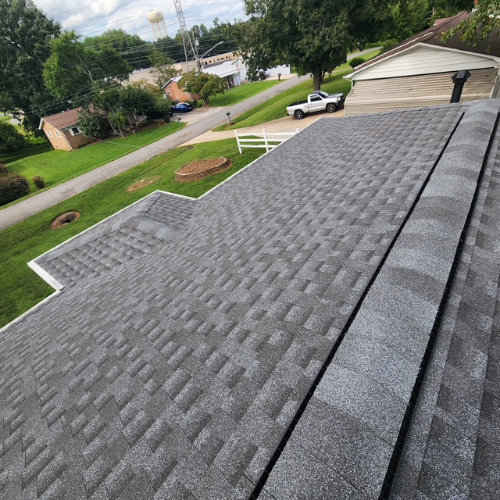
When it comes to protecting your home, your roof plays a critical role. Not only does it keep out the elements, but it also adds value, efficiency, and curb appeal. Choosing the right roofing materials can feel overwhelming, especially when you hear terms like “Class 3” or “Class 4” shingles. These classifications aren’t just industry jargon—they represent important performance ratings that can directly affect your roof’s durability, lifespan, and even your insurance premiums.
So, what’s the difference between Class 3 and Class 4 roof shingles? Let’s break it down.
Roof shingles are tested for impact resistance by Underwriters Laboratories (UL), the organization behind the UL 2218 impact test. This test uses steel balls of varying sizes dropped from specific heights onto shingle samples to simulate hail damage. The ratings range from Class 1 (the lowest resistance) to Class 4 (the highest resistance).
The higher the class, the better the shingle can handle impact from hail, debris, and severe weather.
Class 3 shingles are considered a mid-level impact-resistant option. They offer more protection than standard shingles but don’t provide the maximum defense available. For homeowners in areas that experience moderate storms or occasional hail, Class 3 shingles can strike a good balance between affordability and durability.
While Class 3 shingles are an improvement, they may still sustain damage in severe hailstorms, which could lead to repairs or even premature replacement.
Class 4 shingles are considered the gold standard in impact resistance. They are specifically engineered to withstand the toughest weather conditions, making them ideal for homeowners in hail-prone or storm-heavy regions.
Because of their superior durability, Class 4 shingles often come at a higher upfront cost. However, this investment usually pays off over time through fewer repairs, longer roof life, and potential savings on insurance.
When comparing Class 3 and Class 4 shingles, homeowners often wonder if the extra expense of Class 4 is worth it. On average, Class 4 shingles cost more per square foot, but the long-term savings can outweigh the initial cost.
For homeowners in regions with frequent hailstorms or strong winds, the value of Class 4 shingles becomes clear. On the other hand, if your area rarely experiences severe weather, Class 3 shingles may provide enough protection at a lower price point.
The best choice ultimately depends on your location, budget, and long-term goals for your home.
Consulting with a local roofing professional is the best way to assess your home’s needs. At Providence Roofing, we’ve helped countless homeowners choose the right roofing system for their homes. Our team can walk you through your options, explain the benefits of Class 3 vs. Class 4 shingles, and ensure your roof is built to protect your home for years to come.
The difference between Class 3 and Class 4 roof shingles comes down to impact resistance, cost, and long-term protection. Class 3 shingles provide a step up from standard roofing, while Class 4 shingles deliver maximum defense against harsh weather and hail.
If protecting your home and extending the life of your roof are top priorities, Class 4 shingles are worth serious consideration. While the upfront investment may be higher, the long-term peace of mind and potential cost savings make them an excellent choice for many homeowners.
👉 Ready to upgrade your roof with the right shingles for your home? Contact Providence Roofs today at 704-883-6052 or visit us online at Providence Roofing to schedule your consultation.