
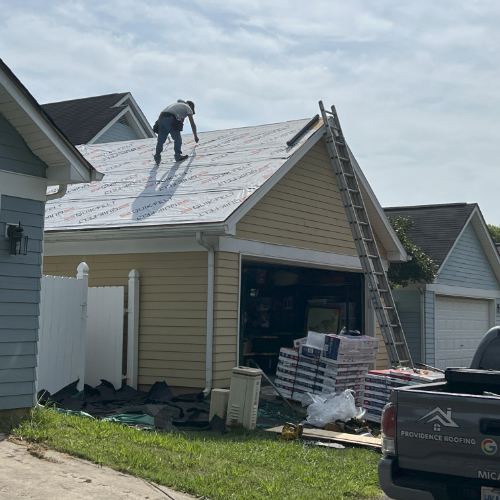
A roof inspection is a comprehensive examination of the condition, integrity, and functionality of a building's roof. It is a crucial aspect of property maintenance, as the roof plays a fundamental role in protecting the structure from various elements such as rain, snow, wind, and sunlight. Regular roof inspections are essential to identify potential issues early on, preventing costly repairs and ensuring the longevity of the roof.
The primary purpose of a roof inspection is to assess the overall health of the roof and identify any signs of damage or wear. Roofing professionals or inspectors typically conduct these assessments, utilizing their expertise to evaluate the various components of the roof system. The inspection process involves a thorough examination of both the exterior and interior elements of the roof.
On the exterior, inspectors examine the roof covering materials, such as shingles, tiles, or metal panels, to check for signs of deterioration, damage, or missing pieces. They also inspect the flashing, which is the material that seals joints and edges, preventing water penetration. Additionally, inspectors assess the condition of gutters, downspouts, and other drainage systems to ensure proper water flow and prevent water accumulation on the roof.
Inspectors also evaluate the structural components of the roof, including the support beams, rafters, and trusses. Any signs of sagging, bowing, or damage to these elements could indicate a structural issue that needs attention. Moreover, they inspect the roof's ventilation system to ensure proper airflow, which is essential for regulating temperature and preventing moisture buildup.
Internally, inspectors examine the attic or crawl space to identify potential issues that may not be visible from the outside. They look for signs of leaks, water stains, or mold growth, which could indicate a roofing problem. Proper insulation and ventilation are also assessed during the internal inspection, as these factors contribute to the overall health and performance of the roof.
A roof inspection is not only about identifying existing problems but also about anticipating potential issues that may arise in the future. Inspectors consider factors such as the age of the roof, environmental conditions, and any previous repairs or modifications. This forward-looking approach helps property owners proactively address potential issues, preventing costly repairs or replacements down the line.
The frequency of roof inspections depends on various factors, including the type of roofing material, climate, and the age of the roof. In general, it is recommended to conduct a roof inspection at least once a year, preferably in the spring or fall, when weather conditions are more favorable.
In conclusion, a roof inspection is a vital component of property maintenance that involves a thorough examination of the roof's exterior and interior elements. It aims to identify current issues, assess the overall health of the roof, and anticipate potential problems. Regular inspections, performed by qualified professionals, help ensure the longevity and performance of the roof, ultimately protecting the integrity of the entire structure. Property owners should prioritize roof inspections as part of their routine maintenance to avoid costly repairs and ensure a safe and secure living or working environment.
Contact us here at Providence Roofing about getting your roof inspected.