
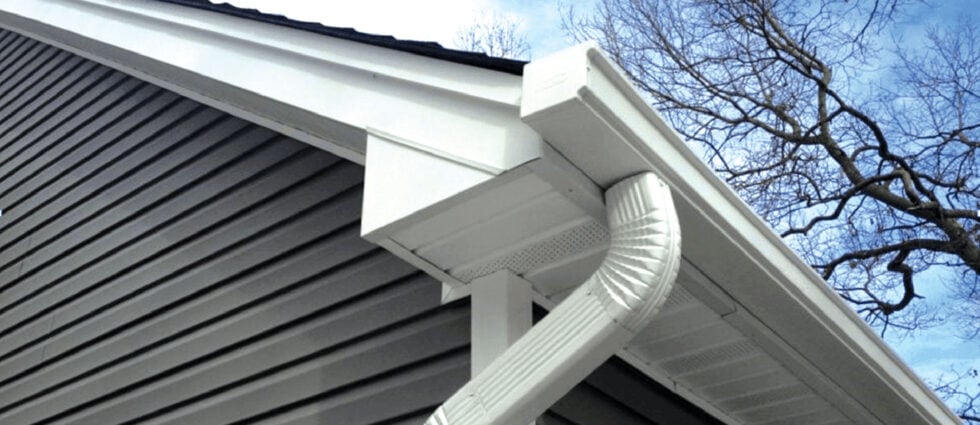
Gutters are an essential component of a building's drainage system, designed to channel rainwater away from the roof and the foundation. There are three primary types of gutters commonly used in residential and commercial construction: seamless, sectional, and integrated gutters. Each type has its own set of advantages and disadvantages, catering to different architectural and functional requirements.
Seamless gutters are typically made from aluminum, but they can also be crafted from other materials like steel and copper. Aluminum seamless gutters are corrosion-resistant and require minimal maintenance. They come in a variety of colors, allowing homeowners to choose a finish that complements their building's exterior. These gutters are professionally installed and require specialized equipment to form and secure the seamless sections.
One significant drawback of sectional gutters is the presence of seams at the connection points. These seams are vulnerable to leaks and clogs over time, which may necessitate more frequent maintenance. Sectional gutters are commonly made from materials like vinyl, steel, or aluminum. The material choice can influence their lifespan and durability.
The primary advantage of integrated gutters is their concealed design, which enhances the building's curb appeal and protects the gutter system from the elements. Integrated gutters are typically constructed with metal, such as copper or stainless steel, ensuring longevity and resistance to corrosion. However, they can be challenging and expensive to install and maintain, as they require precise engineering and craftsmanship.
In conclusion, gutters are a crucial element of any building's infrastructure, as they help manage rainwater to protect the structure from water damage. The three primary types of gutters—seamless, sectional, and integrated—each offer their unique advantages and drawbacks, catering to various preferences and budgets. While seamless gutters provide a durable and leak-resistant solution, sectional gutters are more budget-friendly and accessible. Integrated gutters offer a sleek, hidden design, but they can be more complex and costly to install. The choice of gutter type ultimately depends on factors like budget, architectural style, and maintenance preferences. Regardless of the type chosen, proper gutter maintenance is essential to ensure they effectively channel water away from the building and prevent costly water-related damage.
Contact us here at Providence Roofing for more information and an estimate.