
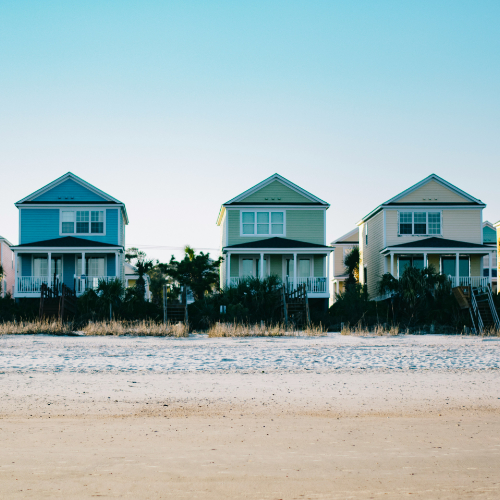
Living along the North Carolina coastline offers breathtaking views and a vibrant coastal lifestyle, but it also comes with unique challenges for homeowners, particularly when it comes to roof maintenance. The region’s humid subtropical climate, frequent storms, and hurricane season expose roofs to intense weather conditions, including high winds, torrential rains, and salt-laden air. Proper roof care is essential to protect your home, extend your roof’s lifespan, and avoid costly repairs. Here’s a comprehensive guide to maintaining your roof along the North Carolina coast, with expert insights to keep your home safe and secure.
1. Regular Inspections Are Key
The North Carolina coast, from Carolina Shores to Bald Head Island, experiences weather that can wear down roofing materials over time. Scheduling professional roof inspections at least twice a year—ideally in spring and fall—helps identify issues like loose shingles, cracked flashing, or clogged gutters before they escalate. After major storms or hurricanes, an immediate inspection is critical to assess damage from wind or debris. Look for signs of trouble, such as missing shingles, leaks, or sagging, which could indicate structural issues. A reputable roofing contractor can provide a thorough evaluation and recommend repairs or replacements tailored to coastal conditions.
2. Choose Durable, Coastal-Appropriate Materials
Coastal environments demand roofing materials that can withstand salt corrosion, high humidity, and strong winds. Asphalt shingles are popular for their affordability, but metal roofing, such as standing seam panels, offers superior durability and resistance to corrosion, making it ideal for areas like Oak Island or Southport. Slate and PVC membranes are also excellent options for long-lasting performance. When selecting materials, consider energy efficiency—light-colored roofs reflect heat, reducing cooling costs in North Carolina’s hot summers. Consult with a local roofing expert to choose materials that balance aesthetics, durability, and budget.
3. Maintain Gutters and Drainage Systems
Gutters play a vital role in channeling water away from your home, preventing damage to the roof, walls, and foundation. In coastal areas, where heavy rains are common, clogged gutters can lead to water pooling and leaks. Clean gutters at least twice a year and after storms to remove debris like leaves or pine needles. Installing gutter guards can reduce maintenance by preventing blockages. Ensure your gutter system is properly sized and securely attached to handle the intense rainfall typical of hurricane season.
4. Prepare for Hurricane Season
Hurricane season (June to November) poses a significant threat to coastal homes. To prepare, reinforce weak areas of your roof, secure loose shingles, and ensure flashing is intact. Consider impact-resistant materials or additional bracing for added protection against flying debris. Trim overhanging tree branches to minimize the risk of damage during high winds. A pre-season roof check can give you peace of mind, ensuring your home is ready to weather the storm.
5. Combat Salt and Moisture Damage
The salty air along the North Carolina coast accelerates corrosion, particularly for metal components like flashing or fasteners. Rinse your roof periodically with fresh water to remove salt buildup, and inspect metal elements for signs of rust. Moisture from high humidity can also foster mold or algae growth, especially on shaded roofs. Regular cleaning and applying protective coatings can mitigate these issues, keeping your roof in top condition.
6. Work with a Trusted Local Contractor
Maintaining a coastal roof requires expertise in the region’s unique challenges. Providence Roofing, a veteran-owned and led contractor based in Statesville, NC, serves the Carolina Shores region and other coastal areas with top-quality roofing services. Known for their exceptional customer service and durable installations, they offer everything from inspections and repairs to full roof replacements. Their team understands the specific needs of coastal homes and uses high-quality materials to ensure long-lasting results. To schedule a free estimate or inspection, contact Providence Roofing or calling their team directly. Their commitment to excellence makes them a trusted partner for coastal homeowners.
Conclusion
Maintaining your roof along the North Carolina coastline is an investment in your home’s safety and value. By prioritizing regular inspections, choosing durable materials, and preparing for storms, you can protect your property from the region’s harsh weather. Partnering with a reliable contractor like Providence Roofing ensures your roof is ready to withstand the elements. Take proactive steps today to keep your coastal home secure for years to come.