
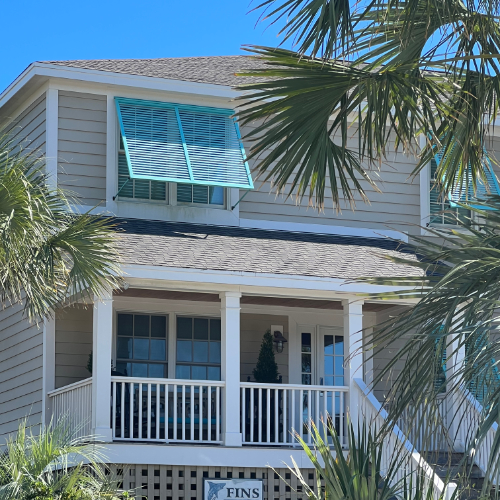
Hurricane season can be a stressful time for homeowners along the North Carolina coast. With powerful winds, torrential rains, and flying debris, these storms can cause significant damage to homes, particularly roofs. If you live in Bald Head Island, Carolina Shores, Oak Island, or Southport, preparing your roof before hurricane season is essential to minimizing damage and protecting your home. Here are some key steps you can take to reinforce your roof and ensure it is storm-ready.
One of the most effective ways to prepare your roof for hurricane season is to have it professionally inspected. An experienced roofing contractor can identify weak spots, loose shingles, damaged flashing, and other vulnerabilities that could lead to severe damage during a storm. Addressing these issues in advance can save you from costly repairs or even a full roof replacement after a hurricane.
A strong and well-secured roof structure can better withstand hurricane-force winds. Consider reinforcing your roof by:
These reinforcements can significantly improve your roof’s durability during extreme weather events.
If you are installing a new roof or replacing damaged shingles, consider using impact-resistant materials. High-wind-rated shingles, metal roofing, and specially designed hurricane-resistant tiles can provide added protection against high winds and flying debris. Look for roofing materials rated by the ASTM (American Society for Testing and Materials) or those meeting Miami-Dade County standards for hurricane resistance.
Roof flashing around chimneys, vents, and skylights is particularly vulnerable to wind and water damage. Over time, flashing can loosen or deteriorate, creating openings for leaks during a hurricane. Ensure that all flashing is properly sealed and securely fastened. Additionally, inspect and maintain seals around vents, chimneys, and other roof penetrations to prevent water intrusion.
Proper drainage is crucial during heavy rainstorms to prevent water buildup on your roof. Before hurricane season, clean out your gutters and downspouts to remove any debris that could cause blockages. Secure loose gutters and make sure downspouts direct water away from your home's foundation. Well-maintained gutters help prevent roof leaks and structural damage.
Overhanging branches and nearby trees can pose a serious risk to your roof during a hurricane. Strong winds can break limbs and send them crashing into your home, causing severe damage. Trim any branches that hang over your roof and remove dead or weak trees that could fall during a storm. Additionally, clear any loose objects or debris from your yard that could become airborne projectiles in high winds.
A secondary water barrier is an added layer of protection beneath your roofing material that helps prevent leaks if shingles or tiles are lost during a storm. This barrier is particularly beneficial in hurricane-prone areas and can be installed during a roof replacement or major repair.
Even with the best preparation, hurricanes can be unpredictable. Have an emergency plan ready in case of severe roof damage, including:
Preparing your roof for hurricane season is an essential step in protecting your home and family from severe weather damage. By scheduling a professional inspection, reinforcing structures, choosing impact-resistant materials, and maintaining proper drainage, you can minimize the risks associated with powerful storms. If you need expert guidance or assistance in hurricane-proofing your roof in Bald Head Island, Carolina Shores, Oak Island, or Southport, contact Providence Roofing today. Our experienced team is here to help you safeguard your home before the next storm arrives.
Contact us for your free estimate