
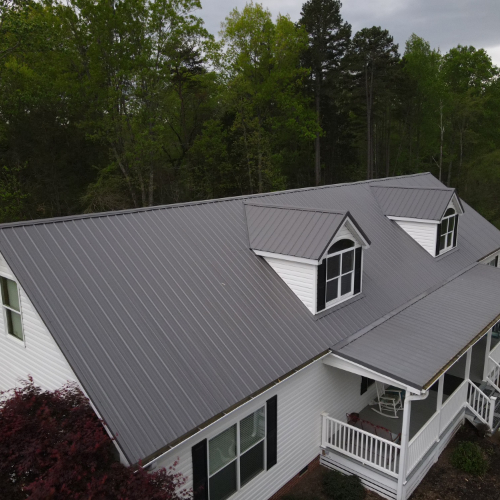
July in North Carolina brings long days of intense sun and soaring temperatures—great for beach trips and backyard barbecues, but not so great for your roof. Whether you're in the inland neighborhoods of Cornelius and Davidson or the coastal communities of Carolina Shores and Shallotte, your roof is under significant stress during the peak of summer heat.
Prolonged exposure to high temperatures, UV radiation, and fluctuating humidity can cause serious heat-related roof damage. Spotting the early warning signs can help you avoid expensive repairs or even premature roof replacement. Here’s how to identify heat damage on your roof—and what steps to take if you spot trouble.
1. Curling or Buckling Shingles
Asphalt shingles are particularly vulnerable to heat. When the sun beats down on your roof all day, shingles may begin to curl at the edges or buckle in the center. This is often a sign that the shingle’s protective granule layer is deteriorating or that moisture is trapped underneath due to poor ventilation.
2. Cracked or Brittle Shingles
Extreme heat and UV rays can cause shingles to dry out, becoming brittle and prone to cracking. If you notice pieces of shingle material on the ground or in your gutters, that could be a warning sign.
3. Faded or Discolored Shingles
UV rays break down the surface of roofing materials over time, leading to noticeable fading or patchy discoloration. While this is mostly cosmetic, it also signals material degradation and loss of UV protection.
4. Granule Loss
Shingles are coated with granules that protect them from the sun. If you find lots of granules in your gutters or downspouts, it means the shingles are aging rapidly—often from prolonged heat exposure.
5. Soft Spots or Sagging
In extreme cases, excessive attic heat and moisture buildup can cause roof decking to weaken, leading to soft spots or noticeable sagging in certain areas.
6. Higher Than Normal Cooling Bills
If your roof isn’t properly ventilated and is absorbing too much heat, your HVAC system must work harder to maintain comfortable indoor temperatures—often showing up as a spike in energy bills.
You don’t need to climb onto your roof to spot signs of trouble. Here’s a safe way to perform a basic inspection:
When in doubt, schedule a professional roof inspection. Roofing pros serving Cornelius, Davidson, Carolina Shores, and Shallotte can safely assess your roof’s condition and pinpoint any heat-related issues.
1. Don’t Wait to Act
Even small signs of heat damage can escalate quickly, especially as summer storms roll in. Addressing minor problems now prevents them from becoming major repairs later.
2. Schedule Targeted Repairs
A qualified roofer can often replace damaged shingles, reinforce flashing, and reseal vulnerable areas without requiring a full roof replacement. Acting quickly can preserve your roof’s integrity and prolong its lifespan.
3. Improve Roof Ventilation
One of the best long-term solutions to heat damage is upgrading your attic ventilation. Ridge vents, soffit vents, or attic fans help regulate temperature and moisture, preventing future heat buildup.
4. Consider Reflective Roofing Materials
If your roof is nearing the end of its life, talk to your roofer about installing energy-efficient shingles or coatings designed to reflect sunlight and reduce heat absorption.
Whether you live inland in Cornelius and Davidson or near the coast in Shallotte and Carolina Shores, your roof is your home’s first defense against July’s harsh conditions. Routine inspections and quick repairs can prevent expensive issues and keep your home protected year-round.
📞 Need a Roof Checkup This July?
Contact your local roofing experts today for an inspection and repair quote. Visit Providence Roofing’s Contact Page to schedule your appointment and protect your home from summer heat damage.