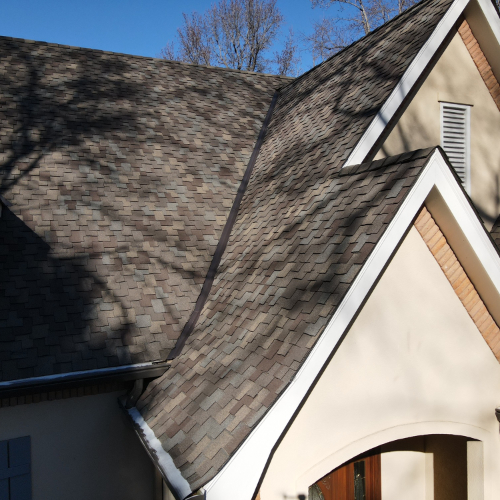
Choosing the right roofer for your Huntersville home is one of the most important decisions you’ll make for protecting your investment. The roof keeps your family dry, your energy bills in check, and your house looking sharp — but the wrong contractor can cost you time, money, and peace of mind. Below is a practical, local-focused guide with a clear checklist, red flags to watch, and why Huntersville-specific experience matters.
Start with the basics: what you should verify first
Before you call anyone, gather these simple facts about your roof (age, material, recent leaks, visible damage). When you speak with contractors, confirm the following right away:
- License & registration — Ask for the roofer’s license number (if required by the state) and business registration.
- Insurance — Confirm they carry both workers’ compensation and general liability insurance and ask to see current certificates.
- Local address & phone — A local office or physical address in the region is preferable to a P.O. Box or out-of-state company.
- References & photos — Request recent local references and before/after photos of completed jobs.
- Written estimates — Get at least three written estimates that itemize materials, labor, permits, timeline, and payment schedule.
Huntersville-specific considerations (why local experience matters)
Working with a roofer who knows Huntersville and the broader Lake Norman / Mecklenburg County area gives you advantages that matter:
- Weather knowledge. Huntersville experiences hot, humid summers, occasional severe storms, and winter freezes. Local roofers understand which materials and installation practices hold up best in that climate (ventilation, underlayment choices, flashing techniques).
- Building codes & permits. Local roofers are familiar with Mecklenburg County building codes, permit processes, and inspection requirements — which speeds projects and reduces compliance risk.
- Material sourcing & supply chains. Local contractors often have established relationships with nearby suppliers, which can mean faster deliveries and accurate material recommendations for homes in the area.
- Familiarity with neighborhood styles. Huntersville has a mix of older neighborhoods and new builds; local roofers know common roof pitches, architectural details, and aesthetic expectations that affect cost and technique.
- Accountability & reputation. A local roofer has more to lose from poor workmanship in their own community — they rely on local referrals, and it’s easier for you to check reviews, meet references, or visit job sites.
Detailed checklist to use when hiring
Use this checklist during your search and when evaluating bids. Print it or keep it on your phone.
Before you call:
- ☐ Know your roof’s approximate age, type of material, and recent problems.
- ☐ Take photos of areas of concern.
When you call / meet:
- ☐ Company name, local address, and phone number confirmed.
- ☐ License number and state/local registration (if applicable).
- ☐ Insurance certificates verified (workers’ comp + liability).
- ☐ Written, itemized estimate with materials, labor, permit fees, and timeline.
- ☐ Clear payment schedule (e.g., deposit amount, progress payments, final payment upon completion).
- ☐ Warranty details in writing (manufacturer vs. workmanship warranty).
- ☐ Start and completion dates included.
- ☐ Plan for protecting landscaping, driveways, and gutters.
- ☐ Clean-up and disposal plan for old materials (will they haul away shingles?).
- ☐ Permit responsibilities clarified (who pulls the permit?).
- ☐ Contact person for questions and a method to communicate during the job.
- ☐ Ask to see recent completed job photos and speak to at least 2 local references.
After you decide:
- ☐ Get everything signed in a written contract (no verbal-only agreements).
- ☐ Verify that the insurance certificates are current on the day work begins.
- ☐ Hold the final payment until a final walk-through and all punch-list items are complete.
Red flags — when to walk away
Some warning signs mean you should stop the process and look elsewhere:
- No physical address or a changing name frequently. Door-to-door or fly-by-night operations often use different business names to avoid complaints.
- Demands for full payment upfront. A modest deposit is normal; full payment before work starts is not.
- Only cash payments requested. This removes accountability and paper trails.
- No written estimate or unwillingness to sign a contract. If they promise things verbally but won’t commit in writing, decline.
- Pressure tactics. “This deal is only good today” or “We can start right now if you sign”—genuine contractors give you reasonable time to decide.
- Unclear insurance or no proof of coverage. If they can’t produce certificates, don’t let them on your roof.
- Poor or inconsistent references. If references can’t be reached or give unspecific answers, be cautious.
- Lowball bids that are significantly lower than other quotes. If a bid is suspiciously cheap, it may cut corners or have hidden costs.
- High worker turnover or many subcontractors with no supervision. Look for a stable crew and a project manager you can contact.
- Negative online reviews showing similar issues (no show, poor cleanup, warranty refusal). Patterns of the same complaint matter.
Questions to ask during the estimate
- What brand and class of shingles (or material) do you recommend and why?
- Will you install new underlayment, drip edge, and flashing where needed?
- How will you handle ventilation and attic inspection?
- Who will be responsible for pulling permits and scheduling inspections?
- Is the crew I’ll see on-site your employees or subcontractors?
- What’s your process for handling unexpected issues discovered during tear-off?
- What is covered under your workmanship warranty, and how long does it last?
Warranties, contracts, and final walkthrough
- Warranties: Expect a manufacturer’s warranty for materials (shingle warranty) and a workmanship warranty from the contractor. Get both in writing, with duration and what triggers coverage.
- Contract clarity: The contract should list scope, model numbers or product codes for materials, start/end dates, payment schedule, and cleanup/haul-away terms.
- Final walkthrough: Don’t pay the final invoice until you and the roofer inspect the finished roof, confirm all agreed items are done, and collect lien releases for any subcontractors if applicable.
Final thoughts
Hiring the right roofer in Huntersville means balancing cost, trust, and local know-how. Prioritize contractors who can show local references, proper insurance, clear written estimates, and a fair warranty. The cheapest option is rarely the best long term; a well-installed roof protects your home and can save money on repairs, energy, and resale value. Contact our Huntersville office for more information.