
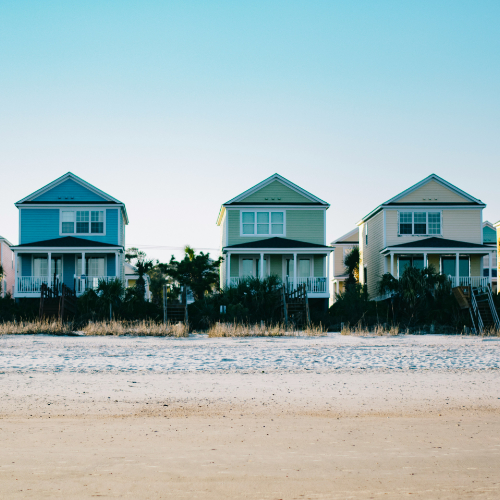
And What Homeowners in Calabash, Caswell Beach, Oak Island, and Sunset Beach Can Do About It
July brings intense heat and long hours of sunshine to coastal North Carolina towns like Calabash, Caswell Beach, Oak Island, and Sunset Beach. While the summer weather is perfect for beach days and outdoor fun, it can be incredibly harsh on your roof. High temperatures, UV radiation, and the salty coastal air all work together to accelerate wear and tear on roofing materials. If you’re a homeowner in this region, understanding how July conditions affect your roof—and what preventative steps you can take—can help you avoid expensive damage down the line.
1. Thermal Expansion and Contraction
The constant heating and cooling cycle of a roof in July can cause roofing materials to expand during the day and contract at night. Over time, this movement can lead to cracking, warping, and loosening of shingles or panels. In particular, asphalt shingles are vulnerable to curling and blistering in extreme heat.
2. UV Radiation Breakdown
Ultraviolet (UV) rays from the sun can degrade roofing materials over time. This is especially problematic for asphalt and wood roofs, which can dry out and become brittle. Even metal roofs can suffer from UV-related paint fading or degradation of protective coatings.
3. Accelerated Aging
The heat and sun don’t just cause temporary stress—they actually speed up the aging process of roofing materials. Shingles may lose their granules more quickly, sealants can break down, and underlayments may become less effective, making your roof more vulnerable to leaks and wind damage during late-summer storms or hurricanes.
4. Increased Energy Costs
A roof that has absorbed too much heat throughout the day can make your attic and entire home hotter, forcing your HVAC system to work harder. This translates to higher utility bills during peak summer months.
Living by the coast means your roof faces more than just sun and heat. The salt air and high humidity levels common in towns like Oak Island and Caswell Beach can accelerate corrosion in metal components and contribute to mildew or algae growth—especially on north-facing slopes or areas with poor ventilation.
1. Schedule a Mid-Summer Roof Inspection
The best way to stay ahead of heat and sun-related damage is with a professional roof inspection. A roofing expert can identify issues like loose shingles, worn sealant, or UV damage before they become major problems. July is a smart time to schedule an inspection, especially with hurricane season ramping up in August and September.
2. Improve Roof Ventilation
Proper attic ventilation allows hot air to escape and cooler air to circulate, reducing the overall temperature of your roof and home. This not only prolongs the life of your roofing materials but also improves energy efficiency.
3. Consider Reflective or UV-Resistant Roofing Materials
If your roof is nearing the end of its life, consider upgrading to a material designed for high UV exposure. Cool roofing materials reflect more sunlight and absorb less heat. Metal roofing with reflective coatings, UV-resistant asphalt shingles, or even clay and concrete tiles can offer better long-term performance in sunny coastal areas.
4. Keep Gutters and Roof Surfaces Clean
Remove debris like leaves, pine needles, and sand that can collect on your roof or in your gutters. This helps prevent moisture buildup and allows the roof to “breathe,” reducing the chance of mildew or algae growth.
5. Apply Protective Coatings
Some roofing materials can benefit from an additional UV-protective coating. These coatings reflect sunlight and shield your roof from damage caused by prolonged exposure.
Roofs in coastal North Carolina are under constant stress in July, thanks to intense sunlight, heat, and salty air. Homeowners in Calabash, Caswell Beach, Oak Island, and Sunset Beach can protect their investment with proactive maintenance, timely inspections, and smart material choices. Don’t wait until a small issue becomes a major repair—take action now to keep your home safe and cool all summer long.
Need expert help? Contact Providence Roofing for inspections, repairs, and roofing solutions tailored to coastal Carolina.
👉 Schedule your inspection today or call us at (704) 883-6052.