
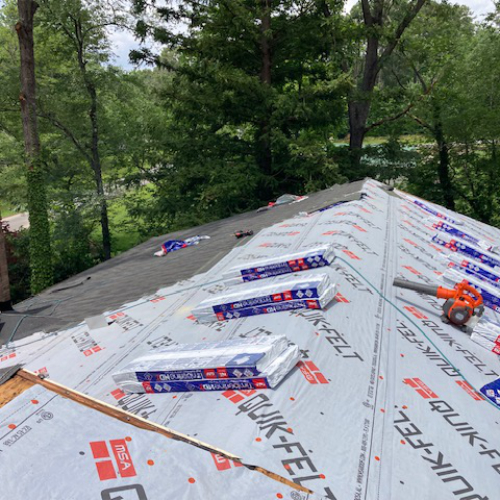
Summer heat can have a significant impact on your roof, affecting both its longevity and performance. As temperatures rise, the materials that make up your roof are exposed to intense heat, UV radiation, and thermal cycling, all of which can lead to a variety of issues. Understanding how summer heat affects your roof can help you take preventive measures to protect your home and prolong the life of your roofing system.
One of the primary ways summer heat affects your roof is through thermal expansion and contraction. Roofing materials, whether asphalt shingles, metal, or tile, expand when heated and contract when they cool down. This constant movement can cause materials to weaken over time, leading to cracks, warping, or even the loosening of shingles. For example, asphalt shingles are particularly susceptible to this process; as they expand and contract, they can become brittle, leading to cracks and loss of granules, which are essential for protecting the shingles from UV damage.
UV radiation from the sun is another significant threat to your roof during the summer months. Prolonged exposure to UV rays can cause the roofing materials to break down, lose their flexibility, and deteriorate faster. Asphalt shingles, for instance, contain oils that help them remain flexible, but UV rays can dry out these oils, making the shingles brittle and prone to cracking. This degradation can reduce the roof’s ability to protect your home from water infiltration and other environmental factors.
The intense heat of summer can also cause direct damage to the roofing materials. For instance, high temperatures can cause the adhesive that holds roofing materials together to soften, leading to shingle slippage or even detachment. In extreme cases, the heat can cause the roof to blister, especially if there is moisture trapped under the shingles. Blisters form when the heat causes the trapped moisture to vaporize, creating a bubble that can eventually burst, leaving your roof vulnerable to leaks.
The heat absorbed by your roof during the summer can also have a significant impact on your home’s energy efficiency. Dark-colored roofing materials, in particular, tend to absorb more heat, which can lead to increased indoor temperatures. This, in turn, puts more strain on your air conditioning system as it works harder to keep your home cool, leading to higher energy bills. In contrast, light-colored or reflective roofing materials can help reduce heat absorption and lower energy costs.
Proper roof ventilation is crucial for maintaining the overall health of your roofing system, and it plays an even more critical role during the summer. Without adequate ventilation, the heat that builds up in your attic can become trapped, causing the temperature to rise to extreme levels. This excessive heat can accelerate the aging of your roof, warp the wood in the attic, and even damage your insulation. Furthermore, poor ventilation can lead to moisture buildup, which can contribute to the growth of mold and mildew, further compromising your roof’s integrity.
Summer is also a season of thunderstorms, and the combination of heat and storms can be particularly damaging to your roof. High winds, hail, and heavy rain can exacerbate existing weaknesses in your roof, such as loose or damaged shingles. The intense heat can make roofing materials more brittle and susceptible to cracking under the impact of hail or debris. Additionally, sudden temperature drops during a storm can cause thermal shock, where the rapid cooling of heated roofing materials leads to cracking or splitting.
Despite the challenges that summer heat poses to your roof, there are steps you can take to mitigate the damage. Regular roof inspections and maintenance are essential for identifying and addressing potential issues before they become serious problems. This includes checking for signs of wear and tear, ensuring proper ventilation, and considering the application of reflective coatings or choosing lighter-colored roofing materials to reduce heat absorption.
In conclusion, summer heat can have a range of detrimental effects on your roof, from material degradation to increased energy costs. However, with proactive maintenance and the right roofing materials, you can protect your home and extend the life of your roof, ensuring it continues to perform effectively despite the challenges posed by the summer sun.
Contact us here at Providence Roofing for more info and a no cost estimate.