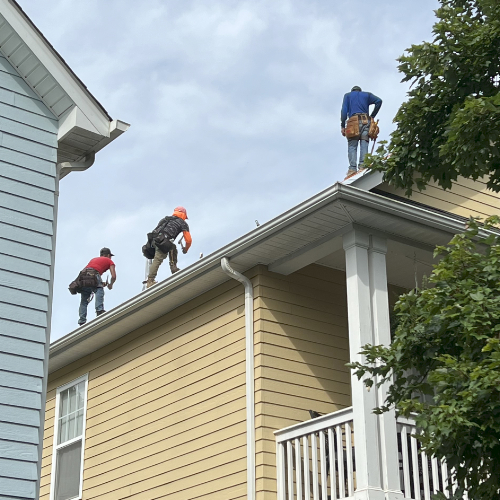
Testing your roof is an essential task for homeowners, ensuring the safety and longevity of your home. From detecting potential leaks to assessing structural integrity, regular roof inspections can prevent costly repairs and protect your property from damage. Here's a comprehensive guide on how to test your roof effectively.
- Visual Inspection: Begin by visually inspecting your roof from the ground. Look for missing, damaged, or curling shingles, as well as signs of moss or algae growth, which can indicate moisture retention. Check for sagging areas or any debris such as branches or leaves that may have accumulated.
- Interior Inspection: Examine the interior of your home for signs of roof damage. Check for water stains on ceilings or walls, which may indicate leaks. Inspect the attic for signs of moisture, mold, or daylight penetration through the roof boards, which could suggest roofing issues.
- Check Flashings and Seals: Inspect flashings around chimneys, vents, skylights, and other protrusions for signs of damage or deterioration. Ensure that seals are intact and free from cracks or gaps, as compromised flashings can lead to leaks.
- Gutter Inspection: Clean gutters and downspouts to remove debris that can obstruct water flow. Check for sagging or detached gutters, as well as rust or corrosion, which may indicate the need for repairs or replacement.
- Roof Material Assessment: Depending on your roof type (e.g., asphalt shingles, metal, tile), assess the condition of the roofing material. Look for signs of wear and tear, such as granule loss on asphalt shingles or rust on metal roofs. Replace any damaged or deteriorated shingles or tiles promptly.
- Inspect Roof Penetrations: Inspect areas where vents, pipes, and other structures penetrate the roof surface. Ensure that seals around these penetrations are tight and undamaged to prevent water intrusion.
- Check for Roof Leaks: After a heavy rain, inspect your attic or ceiling for signs of water leaks. Trace any signs of water infiltration back to their source on the roof to identify areas in need of repair.
- Assess Structural Integrity: Evaluate the overall structural integrity of your roof. Look for signs of sagging or unevenness, which may indicate underlying structural issues. If you notice any concerning signs, consult a professional roofer for further assessment.
- Consider Hiring a Professional: While DIY inspections are beneficial, hiring a professional roofing contractor for a thorough inspection is advisable, especially if you're unsure about the condition of your roof or if it's been several years since your last inspection. Professionals have the expertise and equipment to identify potential issues that may not be apparent to the untrained eye.
- Regular Maintenance: Establish a regular roof maintenance schedule to prolong its lifespan and prevent costly repairs. Schedule inspections at least once a year, preferably in the spring or fall, to address any issues before they escalate.
By following these steps and conducting regular roof inspections, you can identify problems early and take proactive measures to maintain the integrity of your roof. Remember that a well-maintained roof not only protects your home but also enhances its curb appeal and resale value. If you would like to have your roof tested for leaks or any other potential issues contact us here at Providence Roofing