
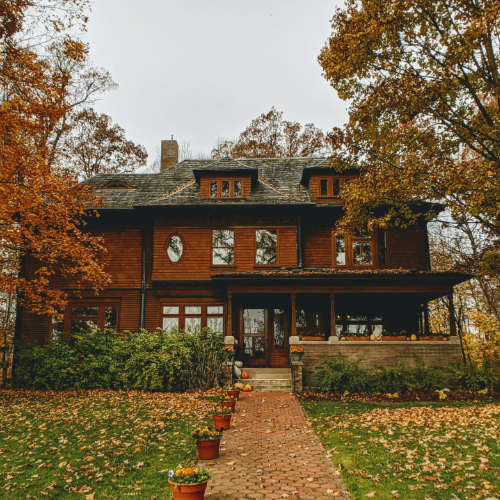
Preserving a historic home’s charm doesn’t mean living with outdated protection. Many older homes across North Carolina — from Lake Norman lakefront cottages to century-old bungalows in Statesville and Hickory — were built with materials and methods that simply can’t stand up to today’s wind, rain, and temperature extremes.
At Providence Roofing, we specialize in blending heritage style with modern performance. Our goal is simple: keep your roof period-correct to the eye, while reinforcing it underneath with today’s best structural and moisture barriers.
If your home’s roof is starting to show its age — or you’re preparing for a full restoration — here’s how to maintain that timeless look while quietly upgrading every layer of protection.
Historic homes are built differently — and that’s part of what makes them special. But those same details that give them character can complicate modern roofing work.
From an installer’s standpoint, historic roofing isn’t just about replacing shingles — it’s about respecting craftsmanship while adding hidden layers of durability.
The visible roof is the most recognizable part of any historic home. Matching that original aesthetic — whether slate, wood, or tin — is the first step to a successful restoration.
| Original Material | Modern Alternative | Benefits |
|---|---|---|
| Wood Shake | Synthetic shake (composite polymer) | Resists fire, rot, and insects while mimicking hand-split texture |
| Natural Slate | Composite slate (lightweight polymer) | Looks authentic, less structural stress, available in weathered tones |
| Tin or Copper Standing Seam | Pre-finished aluminum or steel standing seam | Matches old-world metalwork; available with baked-on finishes |
| Asphalt “3-tab” Shingles | Architectural asphalt shingles | Offers thicker shadow lines for a dimensional, classic look |
When restoring homes in historic districts around Hickory and Statesville, we often work with architectural shinglesthat feature subtle color variation — “weathered wood,” “driftwood,” or “slate blend.” These colors complement old brick and lap siding, providing the period look without constant upkeep.
What you don’t see beneath a historic roof matters just as much as what you do. Most original decking boards were spaced or made from soft pine that’s now brittle. Simply laying new shingles over it risks premature failure.
These components make the difference between a roof that looks historic — and one that lasts for decades without visible compromise.
Metalwork is a defining feature of many historic Carolina homes. Whether it’s a copper finial, a standing-seam porch, or ornate flashing, the right accents tie the entire restoration together.
On a Lake Norman lakeside home built in the 1930s, our team recently replaced a deteriorating tin porch roof with pre-finished aluminum panels shaped to match the original seams. The finish replicated the soft gray patina of aged tin — and with hidden fasteners, the look was pure period perfection with zero exposed rust risk.
Ventilation is one of the hardest challenges in historic home roofing. Many older attics weren’t built with ridge or soffit vents, leading to trapped humidity and warped decking. Yet, adding bulky vent boxes or visible fans can ruin the roofline.
Proper ventilation prevents rot and delamination from the inside out — especially important in homes with historic wood framing or decorative plaster ceilings. Balanced airflow can extend roof life by 30% or more, and reduce summer cooling costs without altering curb appeal.
Historic roofing demands extra caution. Materials can be brittle, and hidden electrical or framing issues are common. Safety and craftsmanship must go hand-in-hand.
Even for homeowners who enjoy DIY projects, roofing on a historic structure is not a weekend job. Structural nuances, steep pitches, and fragile trim details demand professional tools and experience.
A homeowner in the Lake Norman area owned a 1940s lakeside cottage with original cedar shake roofing. Over the years, exposure and humidity caused warping, curling, and leaks around the dormers. The challenge: preserve its storybook charm without constant repairs.
Providence Roofing’s solution:
From the street, the roof looks untouched — same shadow lines, same warm texture. But beneath the surface, it’s built for another 40+ years of protection.
Historic roofs age beautifully — when cared for properly. Use this quick checklist to stay ahead of costly repairs:
☑ Inspect shingles, shakes, or panels for cracks or loose edges
☑ Check flashing and metal accents for oxidation or lifting
☑ Clean gutters and downspouts — older fascia boards rot fast when saturated
☑ Look for interior ceiling stains after heavy rain
☑ Trim overhanging limbs to prevent moss and debris buildup
☑ Schedule a professional inspection for fastener corrosion or hidden decking issues
☑ Clean algae with a low-pressure, non-abrasive wash
☑ Re-seal exposed flashing or decorative metalwork
☑ Reassess attic ventilation and insulation balance
Consistent upkeep ensures your roof continues to honor your home’s heritage while performing like a modern system.
Owning a historic home is both a privilege and a responsibility. Every beam, shingle, and ridge cap tells a story — and it deserves to be protected with care and craftsmanship.
At Providence Roofing, we bring over 20 years of hands-on experience in restoring and upgrading historic Carolina homes. As a veteran-owned and operated company, we take pride in workmanship that respects tradition while meeting today’s performance and safety standards.
Whether you’re restoring a turn-of-the-century farmhouse or a lakeside cottage, we can help you preserve the look and upgrade the protection — seamlessly.
📞 Call Providence Roofing today at (704) 883-6052
🌐 Visit ProvidenceRoofs.com to schedule your historic home roof consultation.
Because your roof should tell your home’s story — without rewriting it every few years.