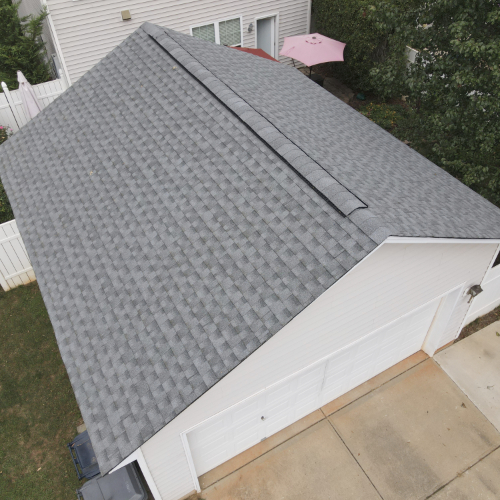
When a new roof is installed, various elements come into play, and one common question is whether a new roof settles over time. The term "settling" in the context of roofing typically refers to the slight adjustments and shifts that the roof may undergo after installation. This process involves the materials acclimating to their new positions and the natural changes that occur due to environmental factors. Let's explore the different aspects that contribute to this phenomenon.
Material Adjustment
- Shingles and Tiles: Shingles, whether asphalt, wood, or tile, may exhibit minor adjustments after installation. Initially, they might appear slightly uneven or have small gaps. Over time, as they are exposed to heat from the sun, they can soften and conform more closely to the underlying roof structure, leading to a more uniform appearance. This is often referred to as "settling" of the shingles.
- Underlayment and Sheathing: The underlayment and sheathing, crucial components beneath the shingles, may also adjust. The underlayment, usually a synthetic or felt material, can shift slightly as it settles into place. Similarly, the wooden sheathing might experience minor changes due to moisture content variations, which can cause slight expansions or contractions.
Structural Considerations
- Roof Frame: The roof’s structural frame, consisting of rafters and trusses, is designed to bear the load of the roofing materials. While a properly constructed frame should not experience significant settling, minor adjustments can occur as the load is distributed and the materials acclimate to temperature and humidity changes.
- Load Distribution: New roofing materials add weight to the existing structure. As this new load is distributed, there might be minor shifts and adjustments in the underlying framework. This is typically minimal and part of the natural settling process of any new construction or significant renovation.
Environmental Factors
- Thermal Expansion and Contraction: Roofing materials are subject to thermal expansion and contraction due to temperature fluctuations. In regions with significant temperature variations between day and night or across seasons, materials like metal, asphalt shingles, and even wood can expand and contract. Over time, this leads to a settling effect as the materials adjust to these changes.
- Weather Exposure: Wind, rain, snow, and ice can all impact a new roof. For example, heavy rains can saturate the underlayment and sheathing, causing them to swell slightly. Conversely, prolonged dry periods can lead to shrinkage. These environmental interactions contribute to the settling process as the roof adjusts to the local climate conditions.
Installation Practices
- Nailing and Fastening: The method of fastening shingles and other roofing materials can influence settling. Proper nailing techniques ensure that shingles are securely attached but still allow for minor adjustments. Over time, nails may settle into the wood sheathing, contributing to the overall settling process.
- Initial Installation Quality: The quality of the initial installation plays a crucial role in how much settling occurs. A well-installed roof with attention to detail will experience less noticeable settling compared to a poorly installed one. Proper alignment, secure fastening, and accurate placement of materials minimize the adjustments needed post-installation.
Signs of Settling
Homeowners might notice a few signs indicating their new roof is settling:
- Slightly Uneven Shingles: Initially uneven shingles may even out over time as they conform to the roof structure.
- Minor Gaps or Overlaps: Small gaps or overlaps between shingles may close as the materials settle into place.
- Changes in Fastening: Nails and other fasteners might seem more flush with the roof surface as they settle.
Conclusion
In summary, a new roof does settle, but this settling is generally minor and part of the natural adjustment process of the materials and structure. Proper installation techniques, quality materials, and attention to environmental factors can minimize the extent of settling, ensuring the roof remains functional and aesthetically pleasing. Homeowners should expect some minor adjustments but can rest assured that these are normal and typically not indicative of any significant issues with their new roof. Regular maintenance and inspections can help address any concerns that arise from the settling process.
Call Providence Roofing for any questions you may have and if your concerned about if your roof is settling.