
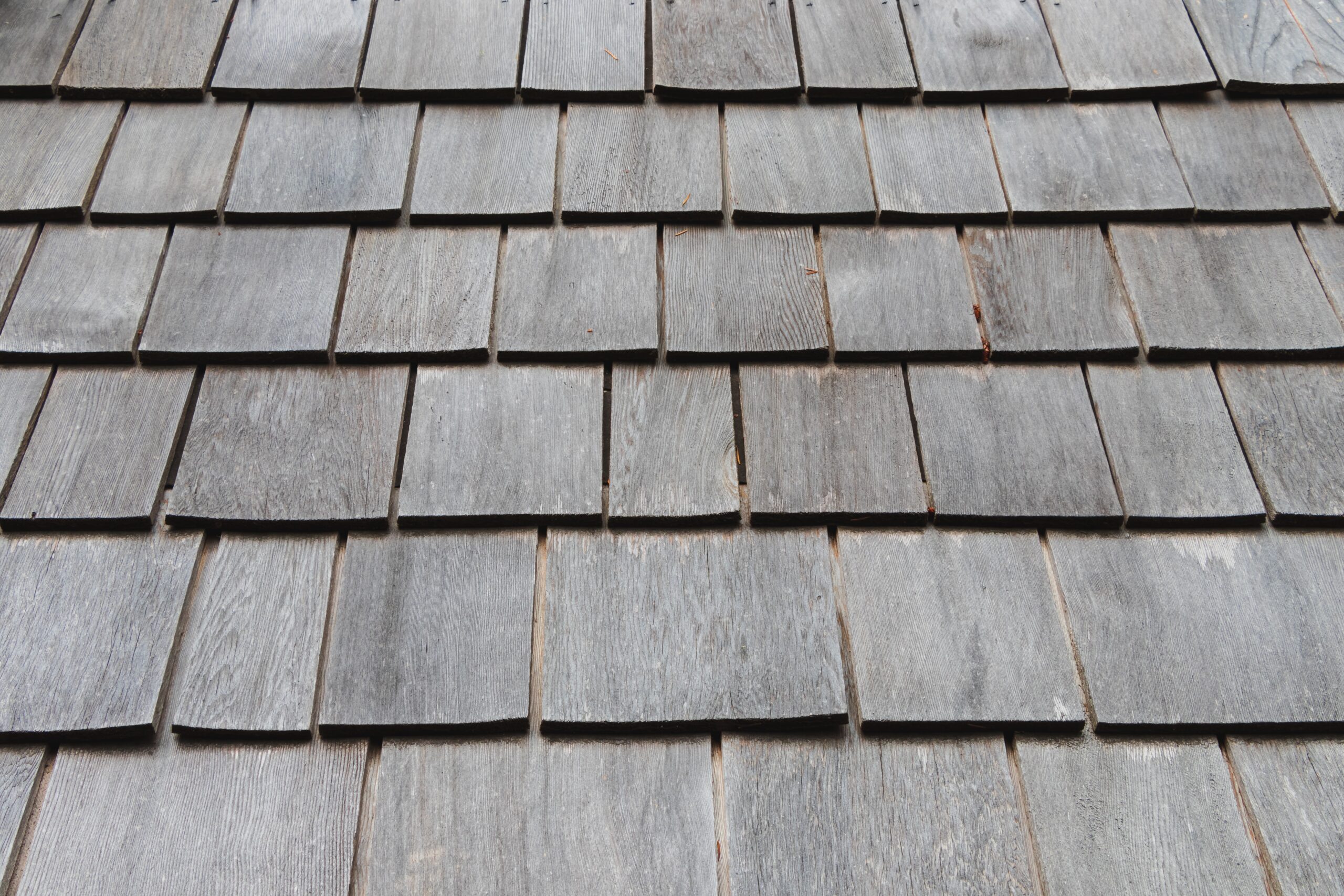
Yes, it is possible to replace a single shingle on a roof, and it's a common DIY repair task for minor roof damage. However, there are some important considerations to keep in mind when replacing a single shingle to ensure a proper and effective repair.
Here are the steps to replace a single shingle on a roof:
Gather Your Materials: You'll need a replacement shingle that matches the color, style, and material of your existing shingles. You'll also need a pry bar, roofing nails, a hammer, a utility knife, roofing adhesive, and a caulking gun.
Safety First: Before you start, ensure you have the necessary safety equipment, such as a ladder, gloves, and non-slip shoes. Roof work can be dangerous, so take precautions to prevent accidents.
Locate the Damaged Shingle: Carefully inspect your roof to find the damaged shingle. Look for signs of curling, cracking, or missing granules. If you're uncertain about which shingle needs replacement, it's best to consult a professional.
Prepare the Area: Clear any debris or loose nails from the area around the damaged shingle. This will make it easier to work on the repair.
Remove the Damaged Shingle: Use a pry bar to gently lift the shingle above the damaged one. Be careful not to damage the surrounding shingles. Once the nails are exposed, use the pry bar to remove them.
Slide in the Replacement Shingle: Slide the replacement shingle into the empty space, aligning it with the adjacent shingles. Ensure it lies flat and matches the same orientation as the surrounding shingles.
Secure the Replacement Shingle: Nail the replacement shingle in place using roofing nails. Place nails in the designated nail line on the shingle, typically about 1 inch above the cutout and 1 inch from each edge. Do not overdrive the nails, as this can cause the shingle to crack.
Seal the Edges: Apply roofing adhesive under the edges of the adjacent shingles to seal them to the replacement shingle. This will help prevent water infiltration.
Trim Excess Shingle: If the replacement shingle is too long, use a utility knife to trim it to the appropriate size. Be careful not to cut too close to the nails or the edge of the shingle.
Inspect Your Work: Double-check that the replacement shingle is securely fastened and properly sealed. Make sure it blends in seamlessly with the surrounding shingles.
Clean Up: Remove any debris from the roof and check the surrounding area for loose nails or roofing materials.
While replacing a single shingle can be a DIY project, it's important to note that this method is most suitable for small, localized damage. If your roof has extensive damage, multiple damaged shingles, or a more complex issue, it's advisable to consult a professional roofing contractor. Attempting to repair major roof problems without the necessary experience and knowledge can lead to more significant issues and costly repairs down the line.
Regular roof inspections and maintenance can help you identify and address minor issues like damaged shingles before they escalate into more significant problems. If you are ever unsure about the extent of the damage or the best course of action, it's always a good idea to seek professional guidance to ensure the long-term integrity of your roof.