
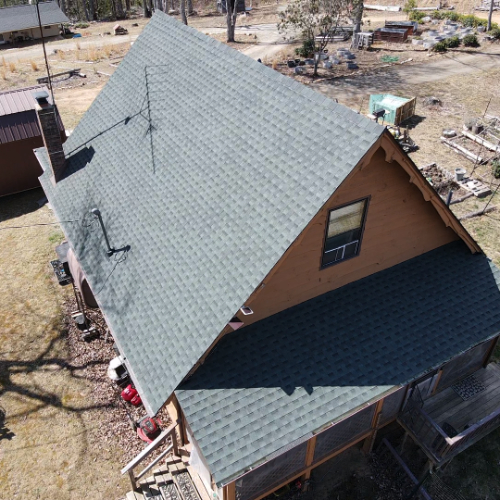
If you’re a homeowner with a flat roof, you may have considered converting it to a pitched roof. Flat roofs can be prone to leaks, ponding water, and other maintenance issues, especially in areas with heavy rainfall or snow. Converting to a pitched roof not only helps improve drainage but also enhances the curb appeal and value of your home. However, this project is not as simple as adding a few roof trusses—it requires careful planning, budgeting, and professional expertise.
Here’s everything you need to know about converting a flat roof to a pitched roof, including the benefits, challenges, and steps involved.
Converting a flat roof to a pitched roof offers several benefits, but it’s essential to understand whether the advantages align with your home’s needs.
If you’re serious about making this conversion, it’s helpful to understand the steps involved. Here’s an overview of the process:
Before starting any construction, consult a professional to assess your home’s structural integrity. They’ll evaluate the current load-bearing capacity of your home and determine whether it can handle the weight of a pitched roof. This consultation will also help you explore potential design options based on your home’s structure and aesthetic goals.
Roof conversions often require permits from local building authorities, as they involve changes to the structure and appearance of the house. Additionally, neighborhood associations may have restrictions or guidelines on roof types and designs. Researching and obtaining all necessary approvals before starting the project is essential to avoid any legal issues.
After the structural assessment, work with your architect or contractor to develop a detailed plan and budget. The plan should include the materials, style of the pitched roof, insulation options, and labor costs. It’s helpful to get estimates from multiple contractors to ensure you’re getting a fair price.
Most flat-roofed homes weren’t built to support the weight of a pitched roof, so structural reinforcements may be necessary. This could involve adding support beams or strengthening the walls to accommodate the added load. Skipping this step can compromise the stability and safety of your new roof, so it’s essential to work with professionals who can do this correctly.
Once the structure is reinforced, the next step is the actual installation. This involves setting up the roof framing, adding trusses, and installing the roofing material (like asphalt shingles, metal, or tile). The contractor will also install appropriate insulation, underlayment, and weatherproofing to ensure long-term durability.
After the roof is installed, the final step is a thorough inspection. This ensures the roof meets local building codes, is watertight, and will hold up to the elements. Any last-minute touch-ups are completed before signing off on the project.
A pitched roof conversion is an extensive remodel that can be costly. Here’s what you should consider when budgeting:
Converting a flat roof to a pitched roof is a significant home improvement project, but it can enhance your property’s appearance, durability, and value. While the process can be complex and costly, the benefits of improved drainage, extended roof lifespan, and added curb appeal make it worthwhile for many homeowners. Working with an experienced architect or structural engineer and planning each step carefully can help ensure a successful and long-lasting conversion.