
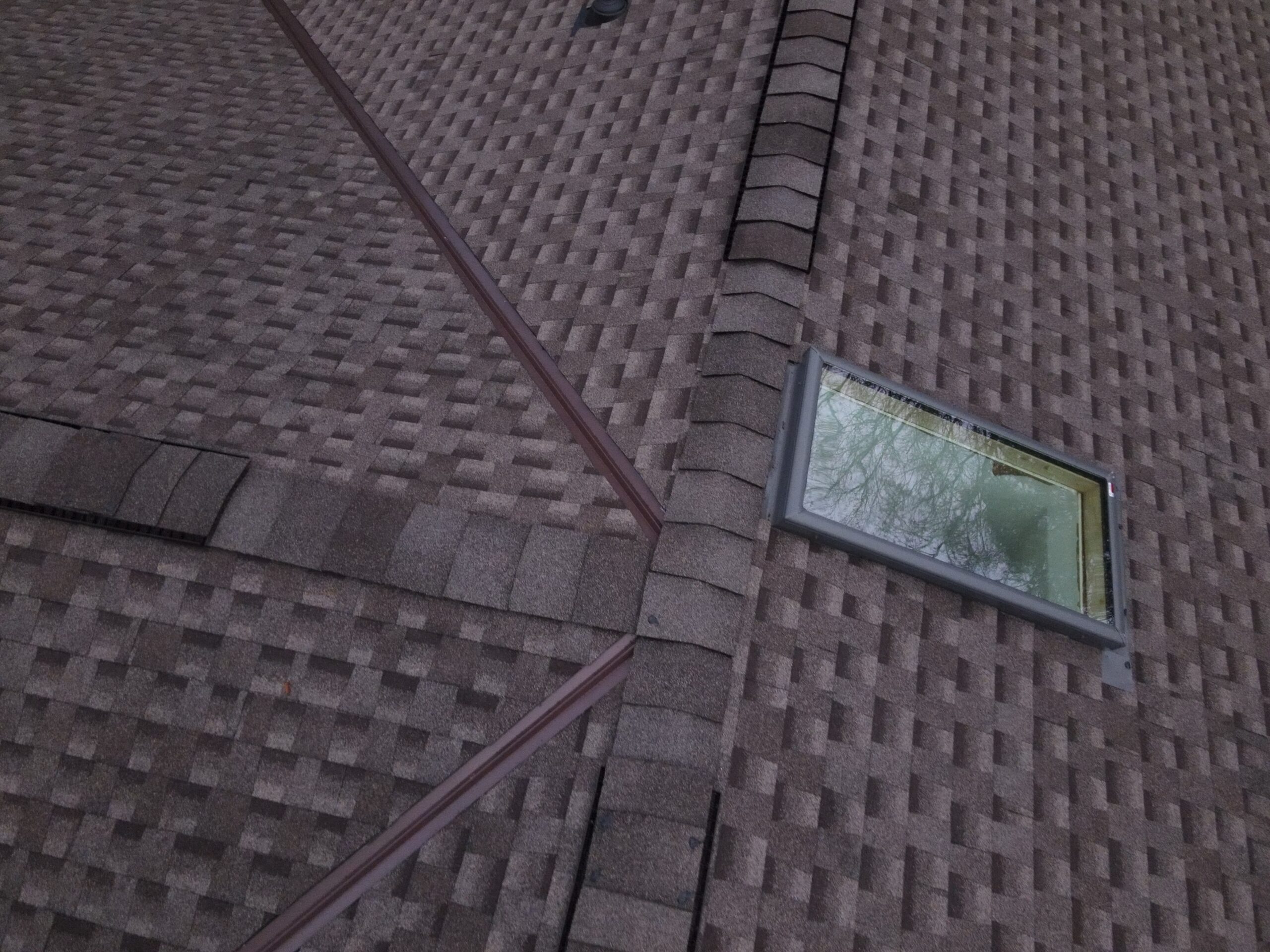
Carolina summers can be hot, reaching temperatures in the mid to upper 90’s and even exceeding 100 degrees Fahrenheit during the hottest months. If your asphalt shingle roof system is looking a little worse for wear, high heat may be the cause. Here’s what you should know about hot weather and asphalt shingles.
THE SUN IS AN ASPHALT ROOF’S WORST ENEMY
Asphalt shingle roofing is the most popular roofing material in the United States, thanks to its budget-friendliness and easy installation, repair, and replacement processes. It also stands up exceptionally well to frigid temperatures, rain, snow, and ice.
High temperatures prematurely age asphalt shingles and break them down faster. While extra-high heat softens the asphalt shingles, ultraviolet rays break down the asphalt. For this reason, shingle manufacturers coat asphalt shingles with small granules on the upper surface. Over time, the granules loosen and fall away, leaving the asphalt exposed to the sun.
Repeated softening and hardening of asphalt shingles in high temperatures may also cause shingles to dry out and become brittle. The brittle shingles break off at the edges or burn through in spots, allowing water points of entry to get beneath the asphalt shingle roof system.
As an example of what shingles temperature can do:
A dark asphalt shingle can typically heat up 50-60 degrees Fahrenheit above the ambient temperature. That means your asphalt shingles can reach temperatures of 160 degrees Fahrenheit on a 100-degree Fahrenheit day. The roofing shingles may remain at a sustained temperature of 160 degrees Fahrenheit for up to five hours if the shingles are exposed to direct sunlight.
SIGNS OF HEAT DAMAGE COME IN ALL DIFFERENT FORMS
We often instruct homeowners to give their roofs a routine inspection before the summer heat hits, then again after a few months to assess what any given summer might’ve done to your asphalt shingle roof system.
Maybe you’re asking, “how do I carry out a thorough roof inspection?” We have a few signs to check for:
ROOF VENTILATION IS KEY TO SHINGLE DURABILITY
In the North Carolina climate, regular asphalt shingles tend to last 15-20 years, while thicker shingles have a useful life of 25-30+ years. However, asphalt shingles degrade faster than expected if the roof is not adequately ventilated.
The heat from asphalt shingles radiates upward and downward into the roof and attic of a home. Without adequate ventilation during hot weather, the excessive heat and moisture buildup lower the service life of a home’s felt roofing underlayment and asphalt shingles.
To achieve proper roof ventilation, your asphalt shingle roof system should have intake vents in the soffits under the eaves and exhaust vents towards the ridgeline. Warm air exhausts through the upper vents drawing cooler air into the soffit vents, lowering the overall temperature of the attic space and roof system above. The idea is for the attic temperature to be the same (or close to it) as the outside ambient temperature. This indicates proper or sufficient ventilation.
Proper venting (and perhaps even attic fans) provides the needed airflow to the attic and underside of the roof system to mitigate problems associated with moisture-related rot and degradation of underlayment and shingles.
NEW SHINGLES SEAL MORE QUICKLY IN HOT WEATHER
The good news is that hot weather helps asphalt shingle installations lay flat and look more aesthetically pleasing faster than if the shingles were installed in cold weather. New asphalt shingles are often stiff and don’t lay perfectly flat immediately; however, high heat softens the shingles and helps the glue strips adhere to the roof surface to create a good seal.
Yet, this quick sealing time has its drawbacks. If the new shingles are placed on compromised felt underlayment, then the shingles may become compromised too. The felt may wrinkle in the heat, and these wrinkles may show up as uneven bumps and ridges, which may permanently distort shingles if they bond quickly to the underlayment.
To avoid wrinkled underlayment and related appearance issues with asphalt shingles, have your roof installed by professionals. It is critical that the felt underlayment be installed flat before shingle installation.
LOOKING FOR ASPHALT SHINGLE ROOFING SERVICE? PROVIDENCE ROOFING CAN HELP.
Schedule professional installation of your new or replacement asphalt shingle roof in by contacting PROVIDENCE ROOFING today. We offer residential roof installation for new and existing homes and commercial buildings throughout North Carolina. Contact our team for your free estimate.