
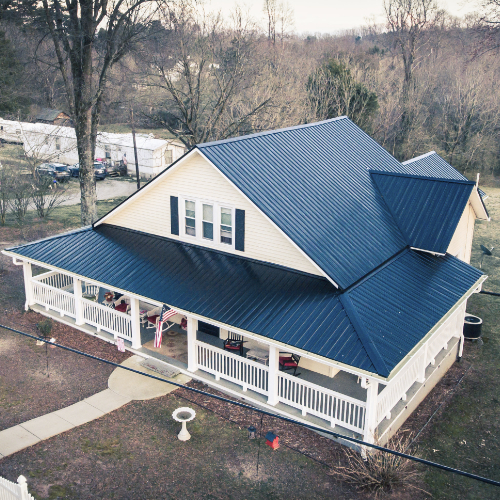
Mountain-proof your roof before the first deep freeze. In Boone and the High Country, winter doesn’t just bring scenic snow—it brings relentless freeze–thaw cycles, ice dams, and heavy winds that put your roof to the test. Whether you own a log cabin on the ridge or a craftsman home downtown, your roof is your first defense against the elements. Preparing it now can mean the difference between a dry, warm home and costly mid-winter repairs.
At Providence Roofing, we’ve spent over 20 years protecting homes across the Carolinas—from Lake Norman to Boone’s steep mountain slopes. This guide is your pre-winter survival checklist to prevent ice-related roof damage, preserve your shingles, and extend your roof’s lifespan through the harsh High Country winter.
Boone’s beauty comes with challenges only mountain homeowners truly understand. The combination of altitude, freeze–thaw cycles, and frequent wind gusts above 40 mph makes roofing here uniquely demanding.
These are not “maybe” problems in Boone—they’re seasonal realities. But with preparation, you can prevent most of them.
A pre-winter inspection is the foundation of roof readiness. We recommend scheduling one before the first hard frost, when sealants are still flexible and repairs can fully cure.
Use binoculars from the ground or call a professional for a safe, full-access evaluation.
Check for:
Seal weak points:
Safety Tip: Never climb on a frosty or icy roof. Even light morning frost can cause slips. If you’re unsure about roof access, call a professional like Providence Roofing for a safe inspection.
Ice dams form when uneven roof temperatures cause melting and refreezing. The real culprit is usually poor attic insulation or ventilation—not the weather itself.
Pro Insight: We’ve seen homes in Boone where adding just one ridge vent and sealing a single attic bypass reduced ice dams by 80% the next winter. Sometimes small fixes make big differences.
Valleys and ridges are where wind and water converge. On steep-slope roofs common in Boone, these areas bear the brunt of snowmelt and uplift pressure.
If you’re re-roofing, high-wind shingles or standing seam metal roofing offer better protection for exposed ridge areas in Boone’s high elevations.
Your gutters play a critical role in ice prevention. When they clog or sag, meltwater can’t drain properly—creating the perfect setup for ice dams and overflow.
Pro Tip: Avoid chopping at ice dams or using rock salt—it can damage shingles and metal components. Instead, use calcium chloride in a roof-safe sock or call for a professional steam removal service.
Boone averages 35+ inches of snow per winter, but wet snow can weigh over 20 pounds per cubic foot—putting enormous pressure on your roof system.
If heavy snow or ice layers won’t budge, it’s safer to call a professional roof snow removal team. They have the right harnesses and ice-melting systems to prevent damage or injury.
Last winter, we received a service call from a Lake Norman homeowner who noticed ceiling stains after a cold snap. Their roof was newer—only six years old—but their attic had poor ventilation, and their gutters were packed with leaves from fall.
When the snow melted, ice dams formed at the eaves, forcing water beneath shingles. The damage extended to the fascia boards and attic insulation.
Our team cleaned the gutters, installed a ridge vent, and added ice-and-water barrier along the eaves. The following winter, despite heavier snowfall, the home stayed completely dry.
While Lake Norman doesn’t experience Boone’s intensity, the same principles apply—ventilation, drainage, and early prevention save roofs from winter failure.
For Boone homeowners, the ideal time for a professional inspection is late fall (October–November), before temperatures dip below freezing.
During a Providence Roofing inspection, our experienced technicians:
Every inspection is backed by our fully insured and warrantied service, ensuring your home stays protected throughout the High Country winter.
Before the first freeze:
Taking these steps before Boone’s first deep freeze will save you time, stress, and repair costs when winter storms arrive.
Boone winters test every roof—but with preparation, your home can stand strong against the High Country’s toughest weather. If you’re unsure where your roof stands this season, let our team help.
At Providence Roofing, we’re a veteran-owned and operated company built on faith, family, and craftsmanship. With over 20 years of hands-on experience, we treat every roof as if it protects our own home. All of our work is fully insured, warrantied, and compliant with industry safety standards.
📍 Schedule your Boone winter roof inspection today and mountain-proof your home before the next freeze.
Call (704) 883-6052 or visit ProvidenceRoofs.com to get started.